
Popular Tree Removal Products for Safe and Easy Operations
Explore essential tools and accessories that simplify tree cutting, pruning, and removal tasks for all skill levels.
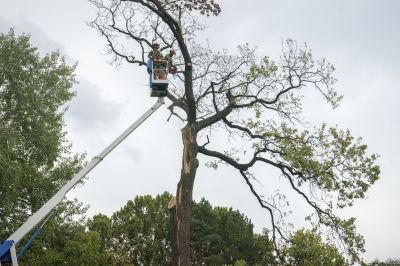 When undertaking tree removal projects, selecting the appropriate tools and equipment is essential for safety and efficiency. From handheld tools to powered machinery, there is a wide range of products designed to assist in safely and effectively removing trees of various sizes and conditions. Proper planning and the right equipment can help minimize risks and ensure the job is completed smoothly. Whether managing small trees or larger, more established specimens, understanding the available options is crucial for homeowners, landscapers, and professionals alike.
Top Overall Option
Multi-Purpose Tree Removal Kit
A comprehensive set that includes a variety of hand tools, safety gear, and small power equipment to handle different aspects of tree removal. Designed for versatility and ease of use, this kit provides essential items for both amateur and professional use, ensuring safety and efficiency across a range of removal tasks.
Types of Products For Tree Removals
Chainsaws
Powerful handheld saws designed for cutting through thick branches and trunks, available in gas, electric, and battery-powered options.
Pole Saws
Extendable saws that allow reaching high branches safely from the ground, ideal for pruning and small removals.
Pruning Shears
Manual cutting tools for trimming smaller branches and shaping trees before removal.
Hand Saws
Compact saws suitable for smaller cuts and detailed work on branches and trunks.
Stump Grinders
Machines designed to grind down tree stumps after removal, facilitating landscape restoration.
Grapple Hooks
Heavy-duty hooks used to grip and lift large branches or sections of a tree during removal.
Ropes and Harnesses
Safety equipment used to secure workers and control falling branches or sections of a tree.
Cranes and Lifting Devices
Heavy machinery used for removing large trees or sections that cannot be safely lowered manually.
Safety Helmets and Gloves
Protective gear essential for safeguarding against falling debris and cuts during tree removal.
Debris Chutes
Conduits to direct cut branches and wood safely to the ground, minimizing damage to surrounding areas.
Aerial Lifts
Elevated platforms that provide access to high branches for pruning and removal tasks.
Chainsaw Accessories
Extra chains, sharpening tools, and safety features to maintain optimal chainsaw performance.
Tree Climbing Gear
Harnesses, spikes, and ropes designed for professional arborists performing complex removals.
Tree Removal Attachments
Specialized attachments for skid steers and excavators to facilitate large-scale removals.
Transport and Dumping Trailers
Equipment for hauling away debris and leftover wood after tree removal.
Popular Choices
Battery-powered chainsaws that offer portability and ease of use for smaller to medium-sized trees.
Lightweight tools for reaching high branches without the need for ladders.
Versatile tools suitable for detailed cuts and trimming tasks.
Compact machines for efficient stump removal in residential settings.
Gear used by professionals for climbing and performing precise cuts on large trees.
Protective headgear designed for arborists and DIY enthusiasts alike.
High-strength ropes for securing loads and controlling falling branches.
Equipment used in conjunction with cranes or lifts to safely maneuver large tree sections.
Mobile platforms that facilitate safe access to high branches.
Tools for gripping and maneuvering large tree parts during removal.
Complete sets including gloves, helmets, eye protection, and first aid supplies.
Accessories for maintaining chainsaw blades for optimal cutting performance.
Powerful attachments for removing stubborn or deeply rooted trees.
Heavy-duty bags for collecting and disposing of tree debris and branches.
Specialized tools designed to attach to skid steers and excavators for large-scale removals.
Hardware such as shackles, pulleys, and carabiners for safe lifting operations.
A key aspect of tree removal is safety, which is why protective gear such as helmets, gloves, and eye protection are vital complements to the main tools. Additionally, selecting the right cutting tools—whether manual or powered—can significantly impact the ease and precision of the work. For larger trees, equipment like chainsaws, pole saws, and grapple hooks are commonly used to reach higher branches and control the direction of the cut. For smaller trees or stumps, manual saws, pruning shears, and stump grinders provide effective solutions.
Beyond cutting tools, equipment such as ropes, harnesses, and cranes can be necessary for managing larger or more complex removals. Proper planning involves assessing the tree's size, location, and potential hazards, which helps determine the most suitable equipment and techniques. Maintenance and safety checks are also critical to ensure tools operate correctly and reduce the risk of accidents. Overall, investing in quality products and understanding their applications can make tree removal tasks safer and more manageable, whether for a residential yard or a commercial landscape project.
Key Buying Considerations
- Tree size and species: Determine the equipment needed based on the height, diameter, and type of tree.
- Safety features: Look for protective gear and safety mechanisms integrated into tools.
- Power source: Decide between manual, electric, or gas-powered equipment based on project scope and convenience.
- Ease of use: Consider user-friendly features, especially for DIY projects or less experienced users.
- Durability and build quality: Select tools made from high-quality materials to ensure longevity and safety.
- Mobility and weight: Choose equipment that can be easily transported and operated in the work environment.
- Maintenance requirements: Understand the upkeep needed for power tools and machinery to maintain performance.
- Environmental conditions: Consider weather resistance and suitability for outdoor use in your location.
- Budget constraints: Balance cost with features and quality to find the most suitable options.
- Local regulations and safety standards: Ensure equipment complies with safety guidelines and legal requirements.
- Availability of accessories and replacement parts: Check for easy access to parts for repairs and maintenance.
- Compatibility with existing equipment: Verify that new tools can integrate with your current setup.
- Noise levels: Be mindful of noise restrictions and choose quieter equipment when necessary.
- Training and support: Consider the availability of instructional resources or professional guidance.
- Environmental impact: While not eco-focused, understanding the disposal and recycling options for debris can be helpful.