
Optimal Timing for Tree Removals
Understanding the optimal time for tree removals is essential for safety and efficiency. The timing depends on various factors including tree species, weather conditions, and the purpose of removal. Proper timing can reduce risks and improve the health of surrounding landscape.
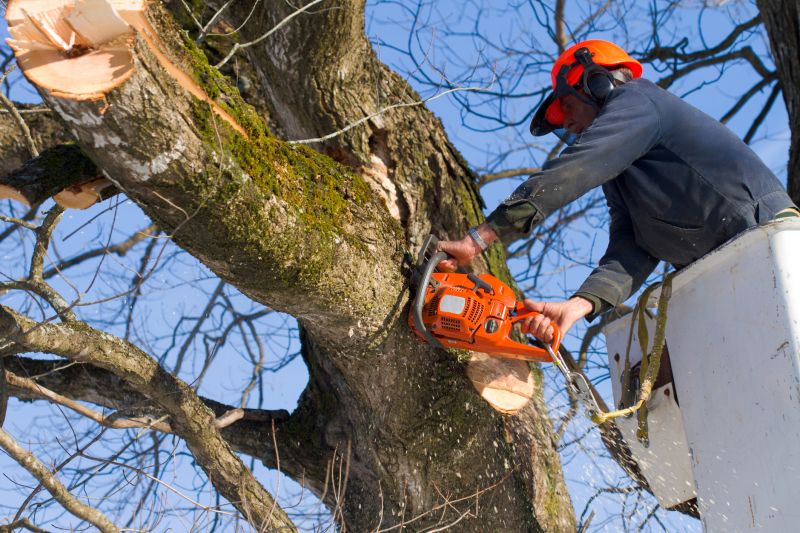
Spring is ideal for removing damaged or hazardous trees before the growing season begins.
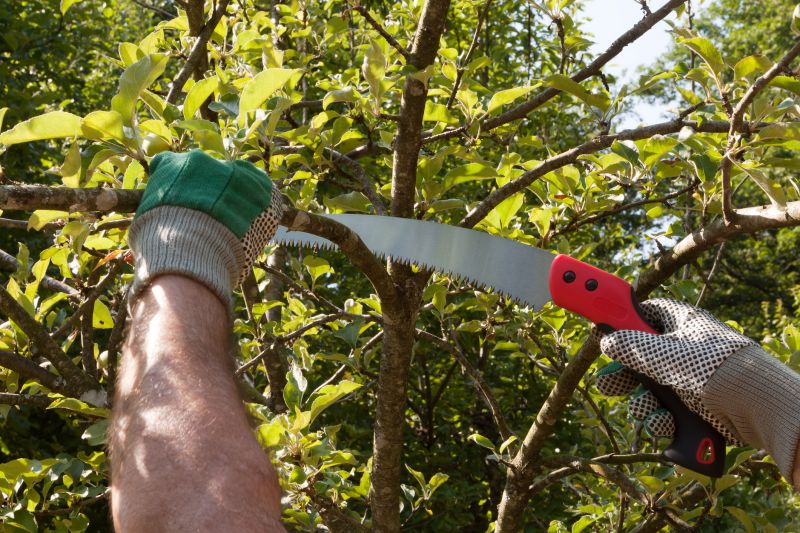
Summer allows for quick healing of wounds and is suitable for certain species.
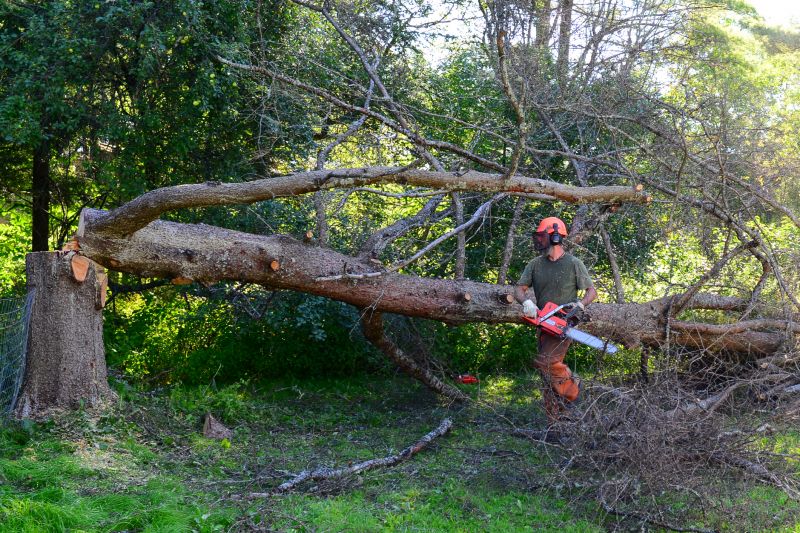
Fall is often preferred for safety and less impact on surrounding foliage.
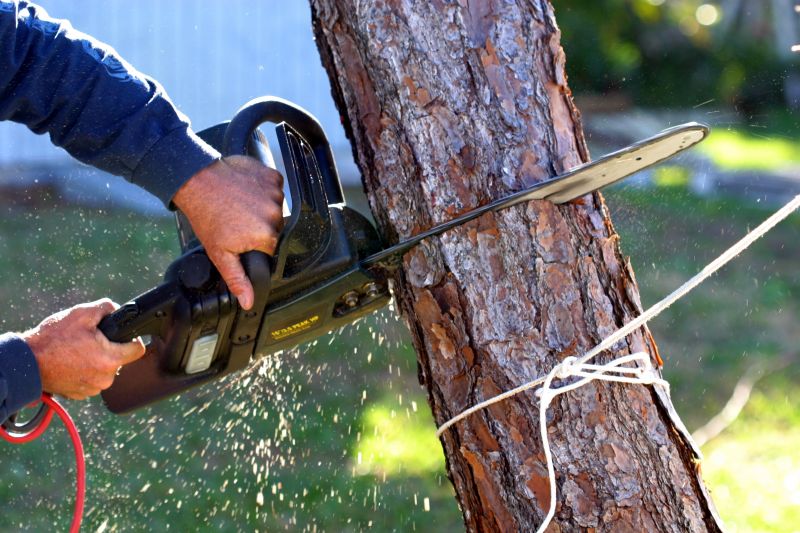
Ways to make Tree Removals work in tight or awkward layouts.
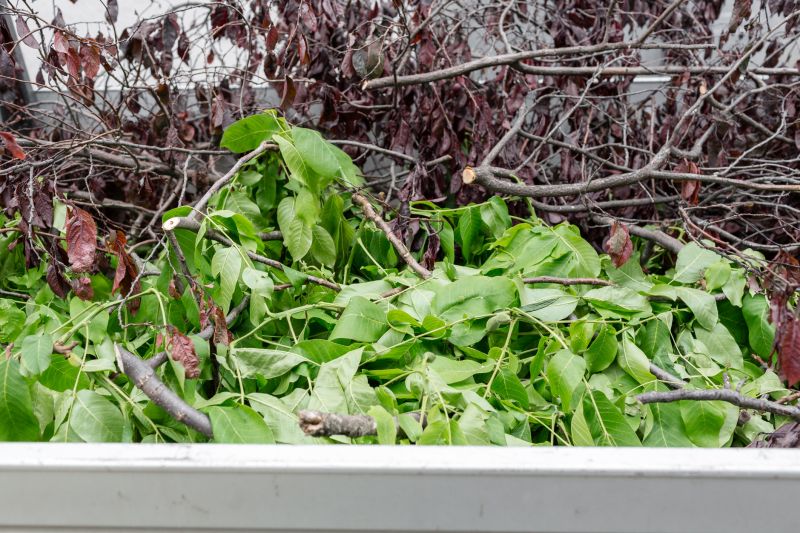
Popular materials for Tree Removals and why they hold up over time.
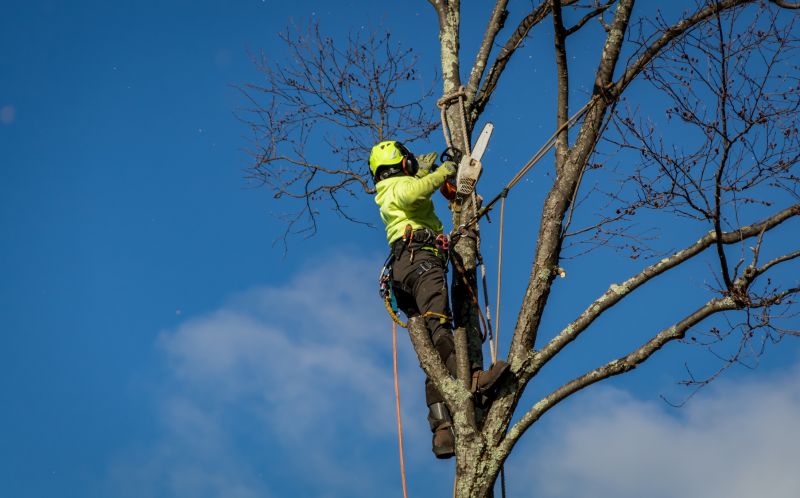
Simple add-ons that improve Tree Removals without blowing the budget.
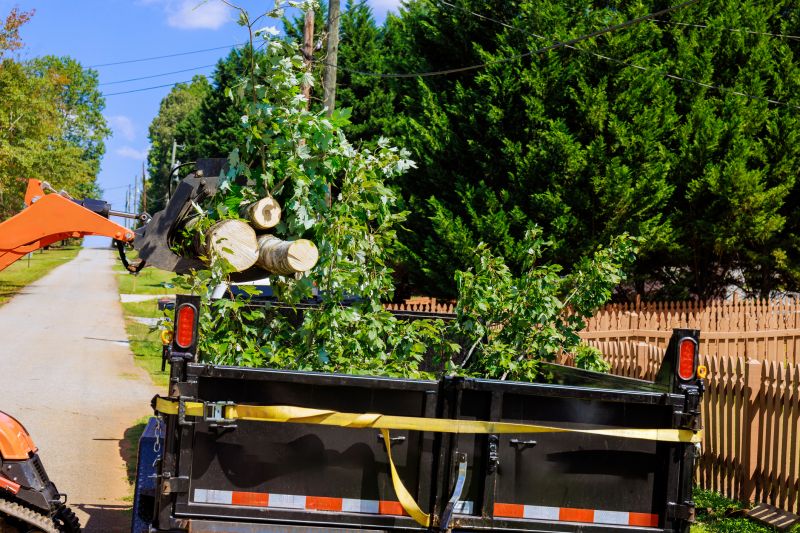
High-end options that actually feel worth it for Tree Removals.
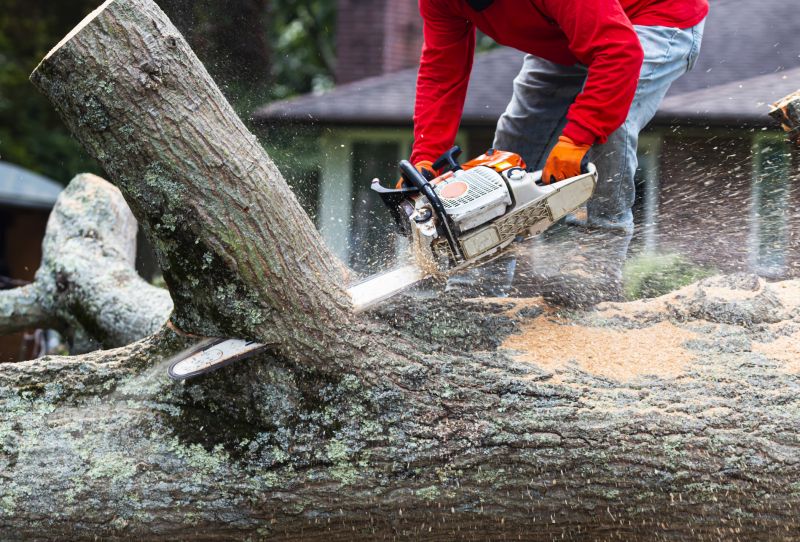
Finishes and colors that play nicely with Tree Removals.
Tree removals are a critical aspect of landscape management, ensuring safety and preventing property damage. Removing trees at the right time minimizes disruption and promotes healthy land use. Factors such as tree size, location, and health influence the best period for removal activities.
Spring and fall are common seasons for tree removal due to favorable weather and reduced insect activity.
Dry, calm days are preferred to avoid complications during removal.
Dead or dying trees may require removal regardless of season for safety.
In urban areas, scheduling during less busy seasons minimizes disruption.
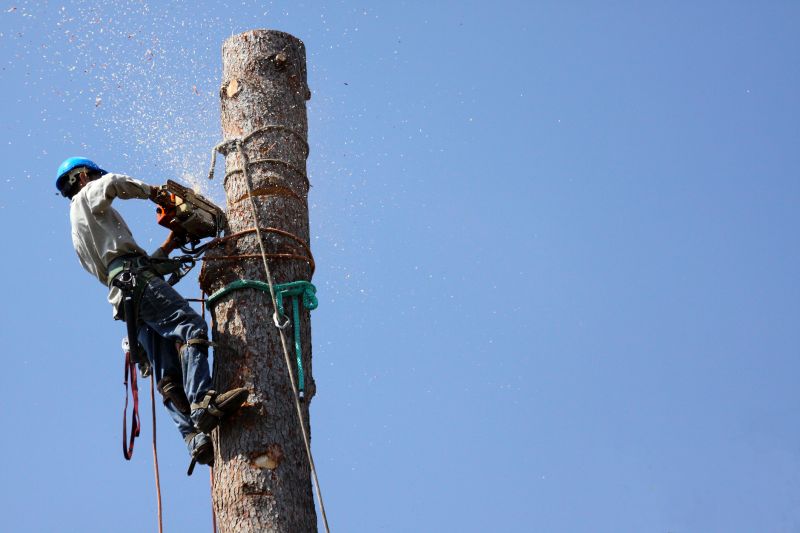
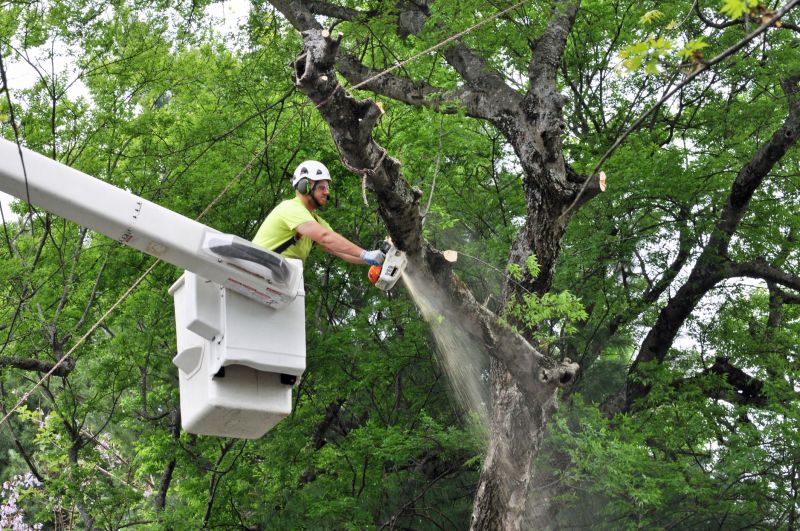
Specialized tools are used for safe and efficient removal.
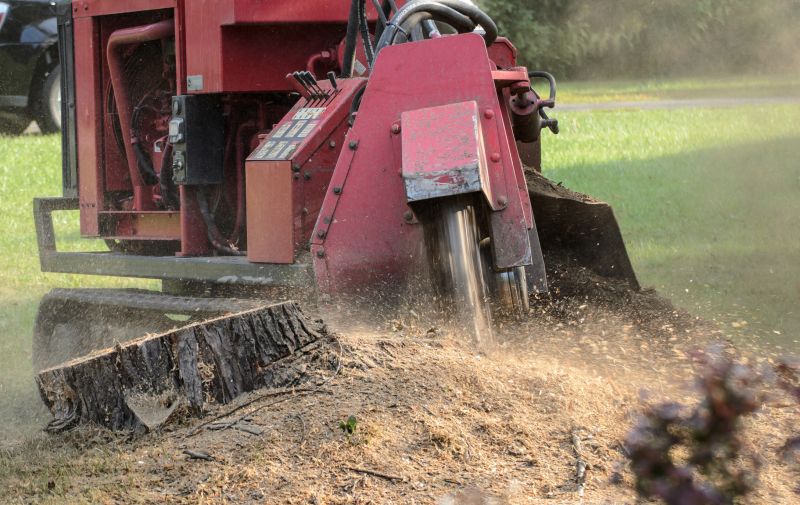
Post-removal stump grinding is often performed to clear the area.
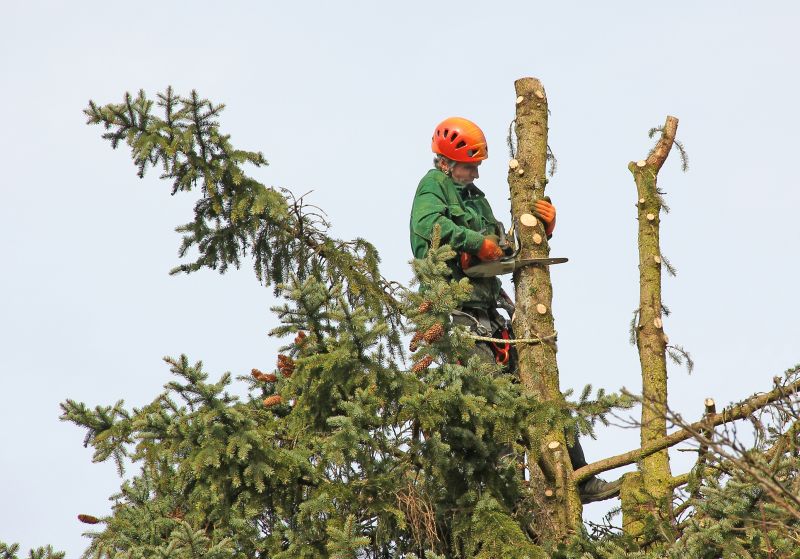
Proper techniques ensure safety and minimize landscape impact.
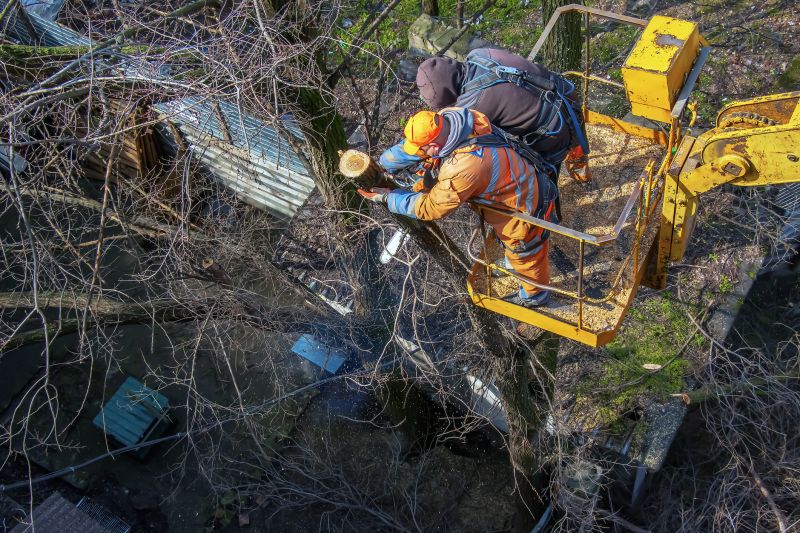
Identifying and removing dangerous trees prevents accidents.
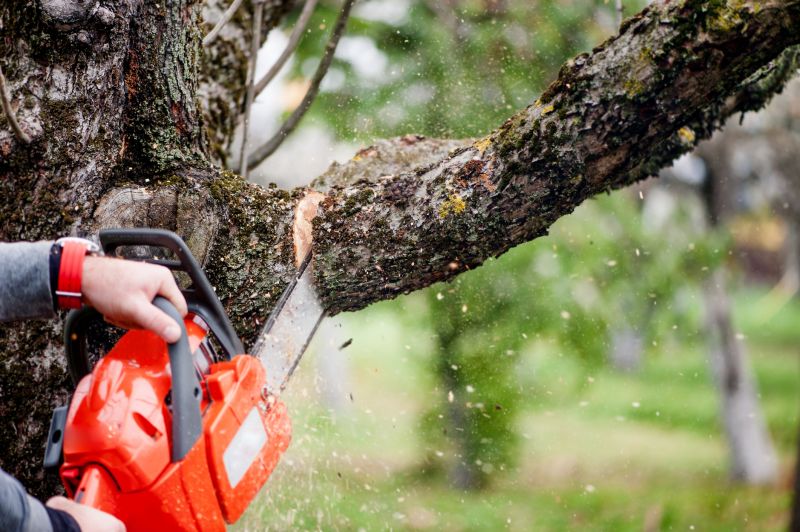
Strategic planning is essential in city environments.
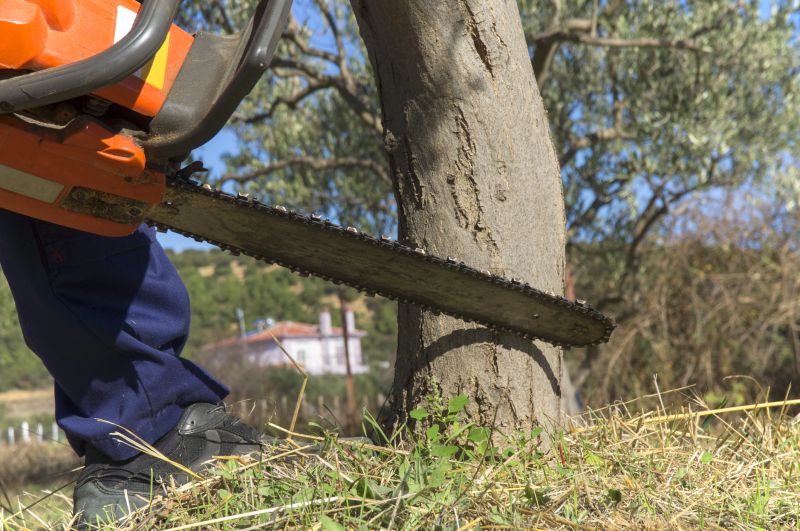
Tree removal is part of larger land development projects.
Evaluations determine if removal is necessary.
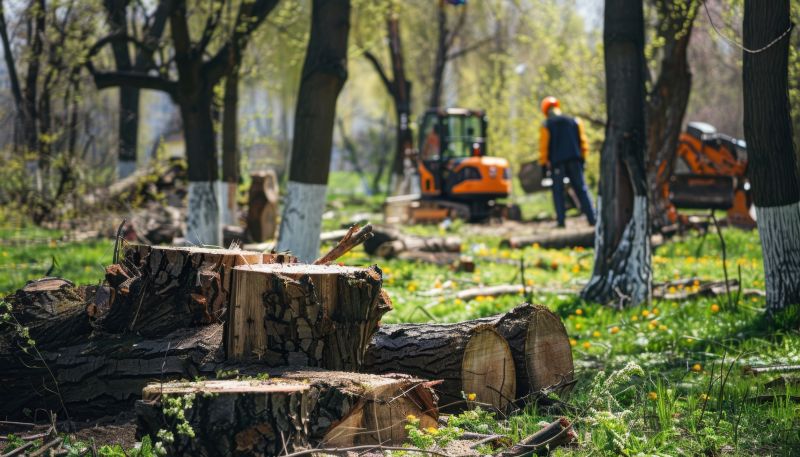
Restoration work follows tree removal to maintain landscape aesthetics.
| Season | Advantages |
|---|---|
| Spring | Prevents storm damage, prepares land for planting. |
| Summer | Quick healing, suitable for certain species. |
| Fall | Less disruption, ideal for urban settings. |
| Winter | Fewer leaves, easier access, minimizes impact on landscape. |
| Any season | When safety hazards arise or trees are dead/dying. |
Choosing the right time for tree removal involves assessing the specific circumstances of each tree and the surrounding environment. Proper timing ensures safety, minimizes landscape disturbance, and promotes land health. Consulting with professionals can help determine the most suitable period for individual cases.
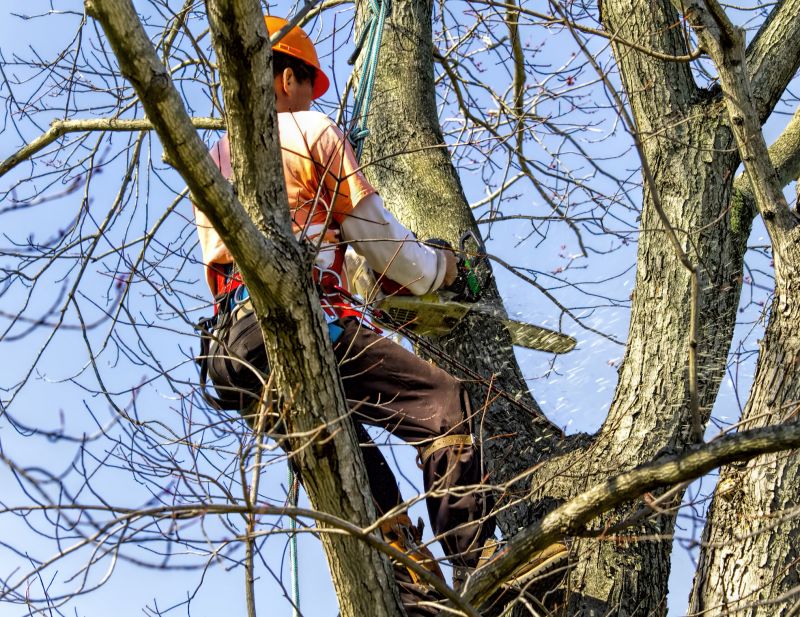
Professional equipment facilitates safe removal.
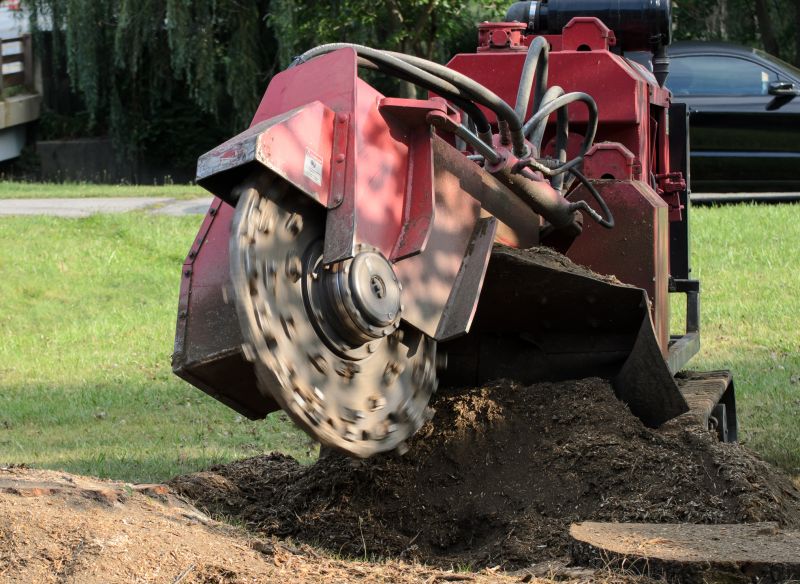
Post-removal stump grinding restores land usability.
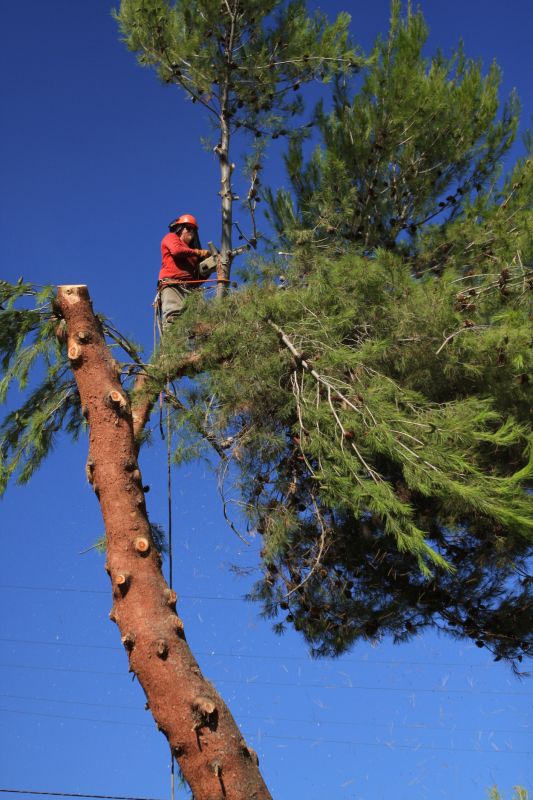
Specialized techniques ensure safety in risky situations.
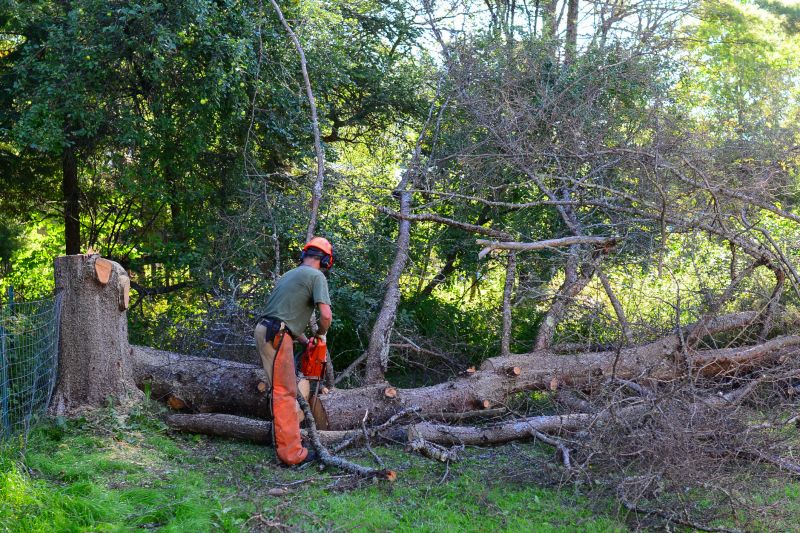
Preparation for new landscaping or development.

Little measurements that prevent headaches on Tree Removals day.
A 60-second routine that keeps Tree Removals looking new.
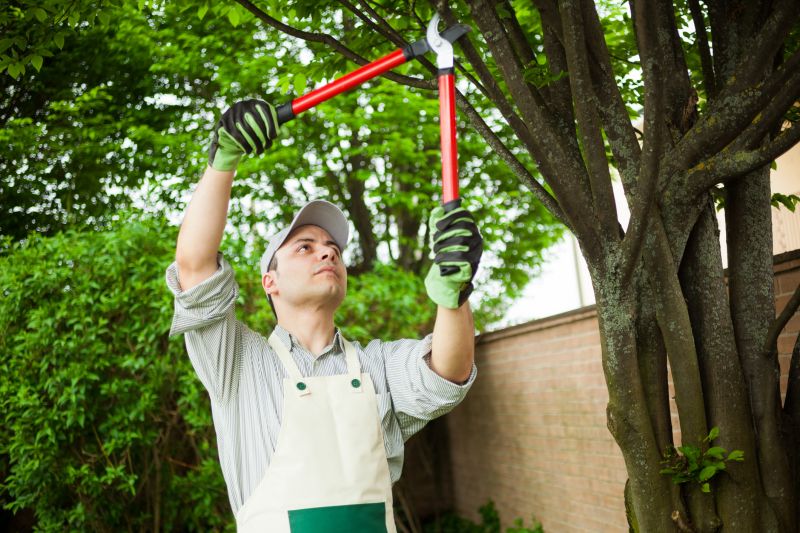
A frequent mistake in Tree Removals and how to dodge it.
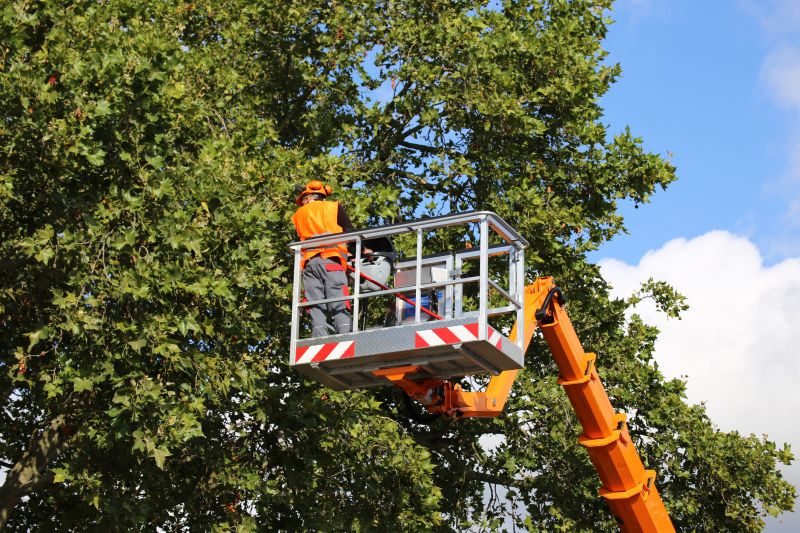
Small tweaks to make Tree Removals safer and easier to use.
Interested in scheduling a tree removal or learning more about the process? Filling out the contact form provides a way to receive detailed information tailored to specific needs. Proper timing and professional assistance ensure safe and effective tree removal services.